MicBenchRead Buying Guide

Side-by-Side Comparison Lab

Compare All 6 North American Flagship Microphones

Evaluate transducer physics, polar patterns, verified frequency response, self-noise, built-in preamps, DSP engines, and official US pricing in one unified table.

Complete 6-Model Matrix

Full Manufacturer-Verified Technical Specification Table

Audit every real parameter side-by-side before choosing between dynamic, studio condenser, streaming USB, or dual-channel wireless.

Weighted 5-Axis Rubric · 7.8 to 9.1 Spread
Microphone & AwardLab Score & Total RigTransducer & PatternConnectivityVerified Acoustic SpecPreamp / DSP EngineIncluded KitBest ForAction
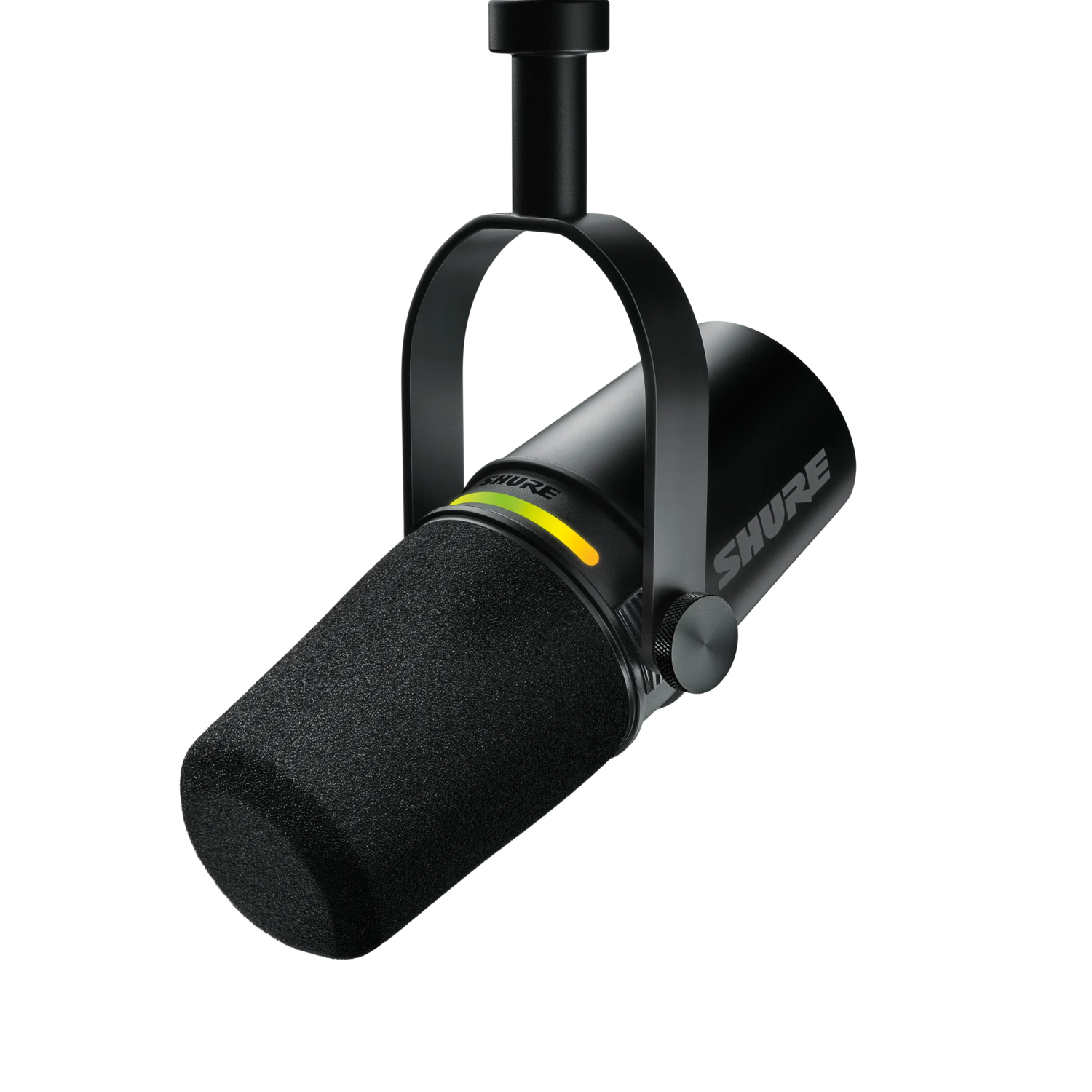
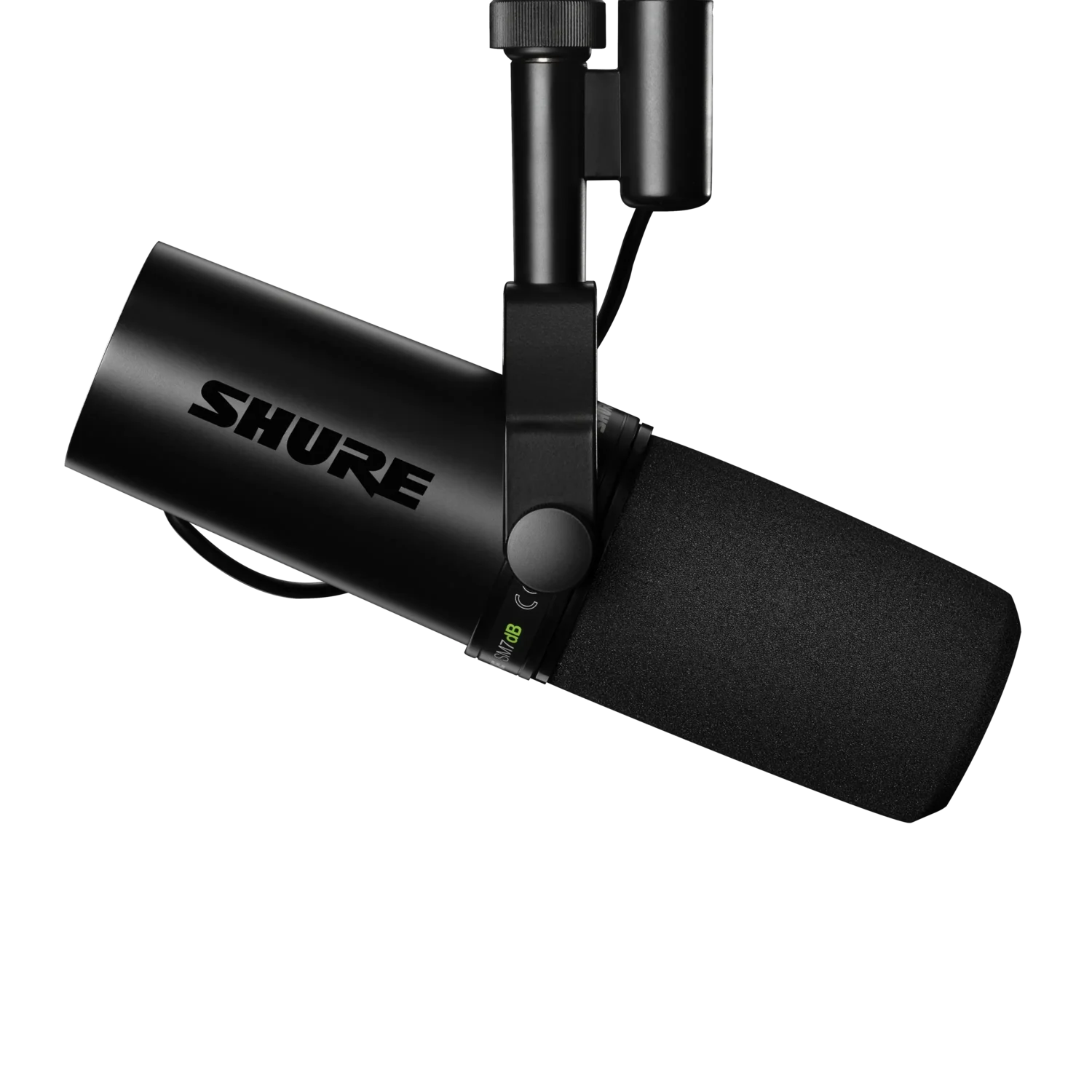
Shure SM7dB active broadcast XLR dynamic microphone with yoke mount and windscreen
Best Overall
Broadcast XLR Dynamic
9.1/10
Reference Broadcast
$549 MSRP
Needs XLR Interface + Boom Arm
Active Dynamic (moving coil)
Cardioid (end-address, 2–3 in)
3-pin Male XLR (+48V for preamp)50–20,000 Hz · -59 dBV/Pa (bypass)
Built-in +18 / +28 dB Preamp + True Bypass
Bass roll-off, Mid-range presence boost, Preamp & Bypass switches
Standard + A7WS close-talk windscreens, integrated yoke mountPro podcasts, radio broadcast, untreated rooms with any XLR interface
Shure MV7+ hybrid USB-C and XLR dynamic podcast microphone with multi-color LED touch strip
Best Hybrid
Hybrid USB-C & XLR Dynamic
8.9/10
Strongly Recommended
$279 MSRP
Plug-and-Play (Optional XLR Later)
Dynamic (Voice Isolation Tech)
Cardioid (end-address)
Dual USB-C + 3-pin XLR (simultaneous) + 3.5 mm jackVoice Isolation passive rejection · OBS Certified
Enhanced Auto Level, Real-time Denoiser, Digital Popper Stopper
Customizable multi-color LED touch mute/meter + MOTIV Mix app
USB-C cable, integrated yoke mount (stand/arm sold separately)Solo & co-host podcasters, Twitch streamers, creators growing into XLR
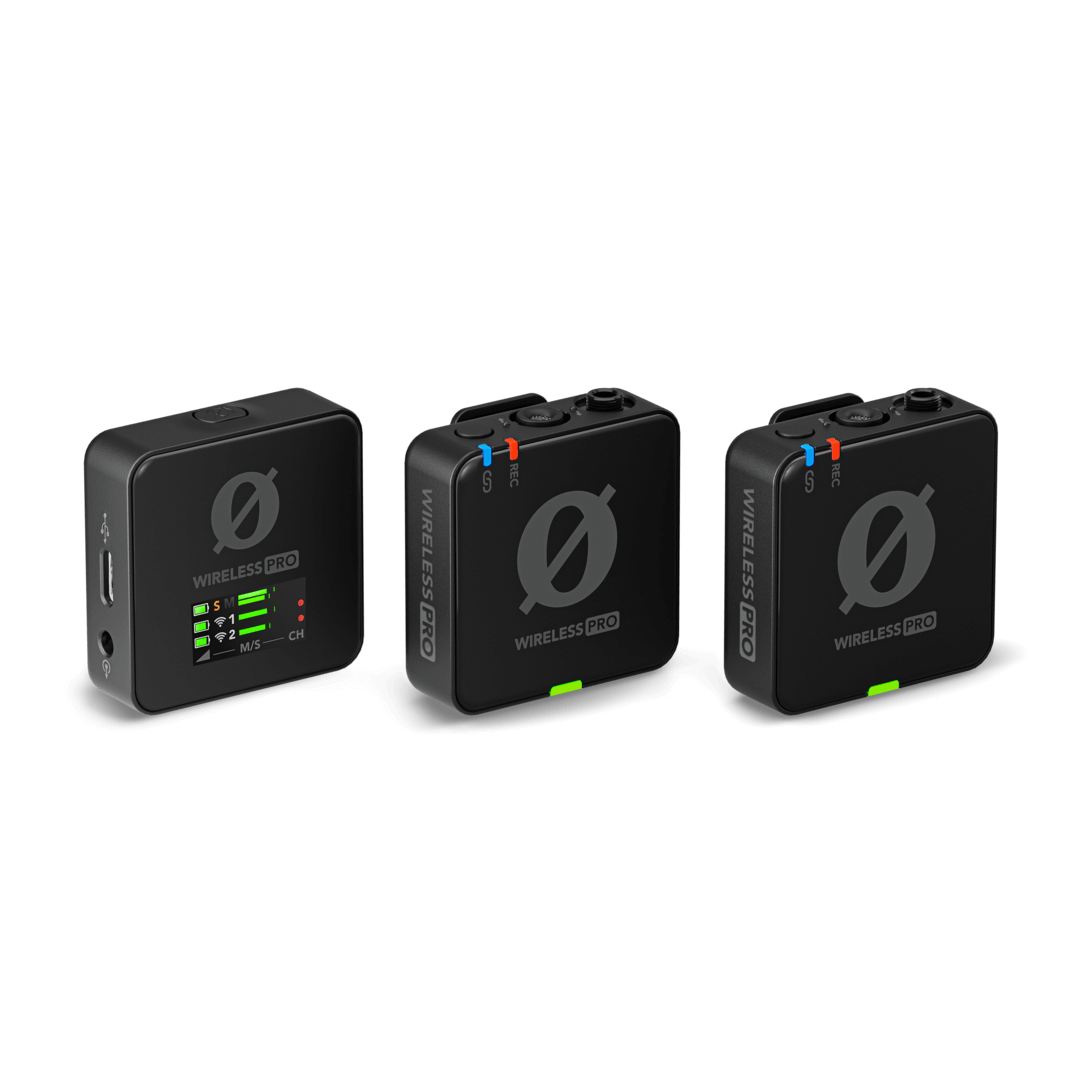
RØDE Wireless PRO dual-channel 2.4 GHz wireless receiver and two transmitters with LCD level display
Best Wireless Video
Pro Wireless Video System
8.8/10
Strongly Recommended
$399 MSRP
Complete 2-Person Camera Kit
Dual-Channel 2.4 GHz Wireless + 2× Lavalier II
Omnidirectional (on-TX & Lavalier II)
Locking 3.5 mm TRS, USB-C, Camera/Phone + Direct Connect Bluetooth (iOS)260 m Series IV 2.4 GHz (128-bit) · 32 GB / 40+ hr per TX
32-bit Float Onboard Recording + Timecode + GainAssist + Safety Channel
RX LCD + Headphone Vol, RØDE Central & RØDE Capture (iOS/Android/Mac/Win)
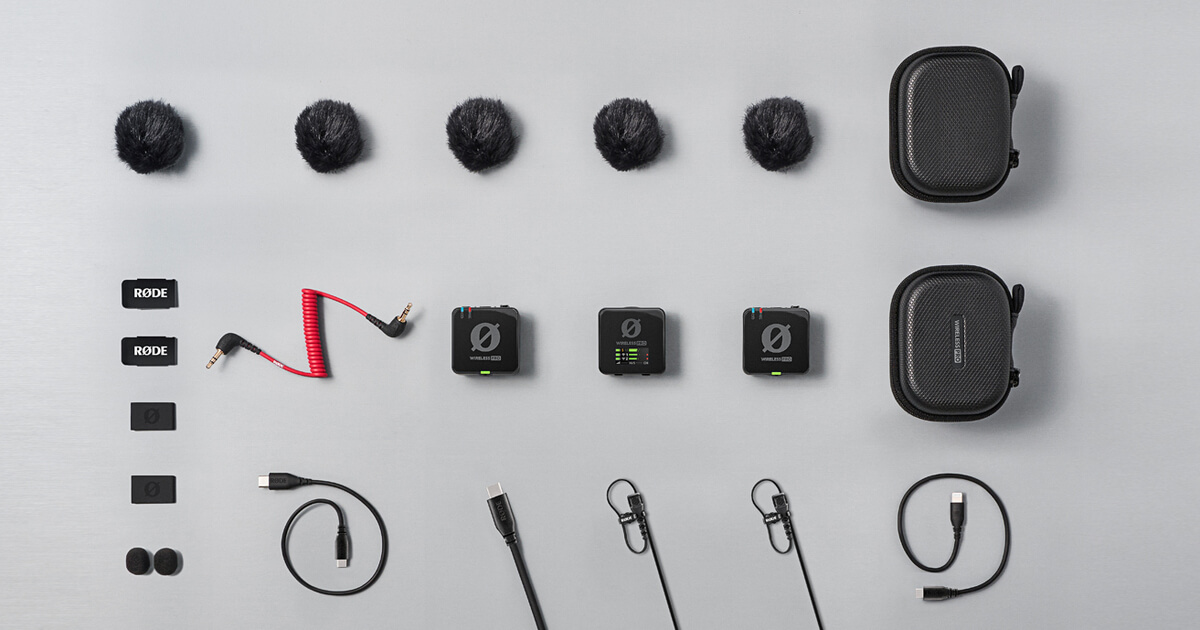
Smart Charge Case, 2× TX, 1× RX, 2× Lavalier II, MagClip GO, windshields & cablesYouTube filming, street interviews, weddings, multi-cam shoots & mobile journalism
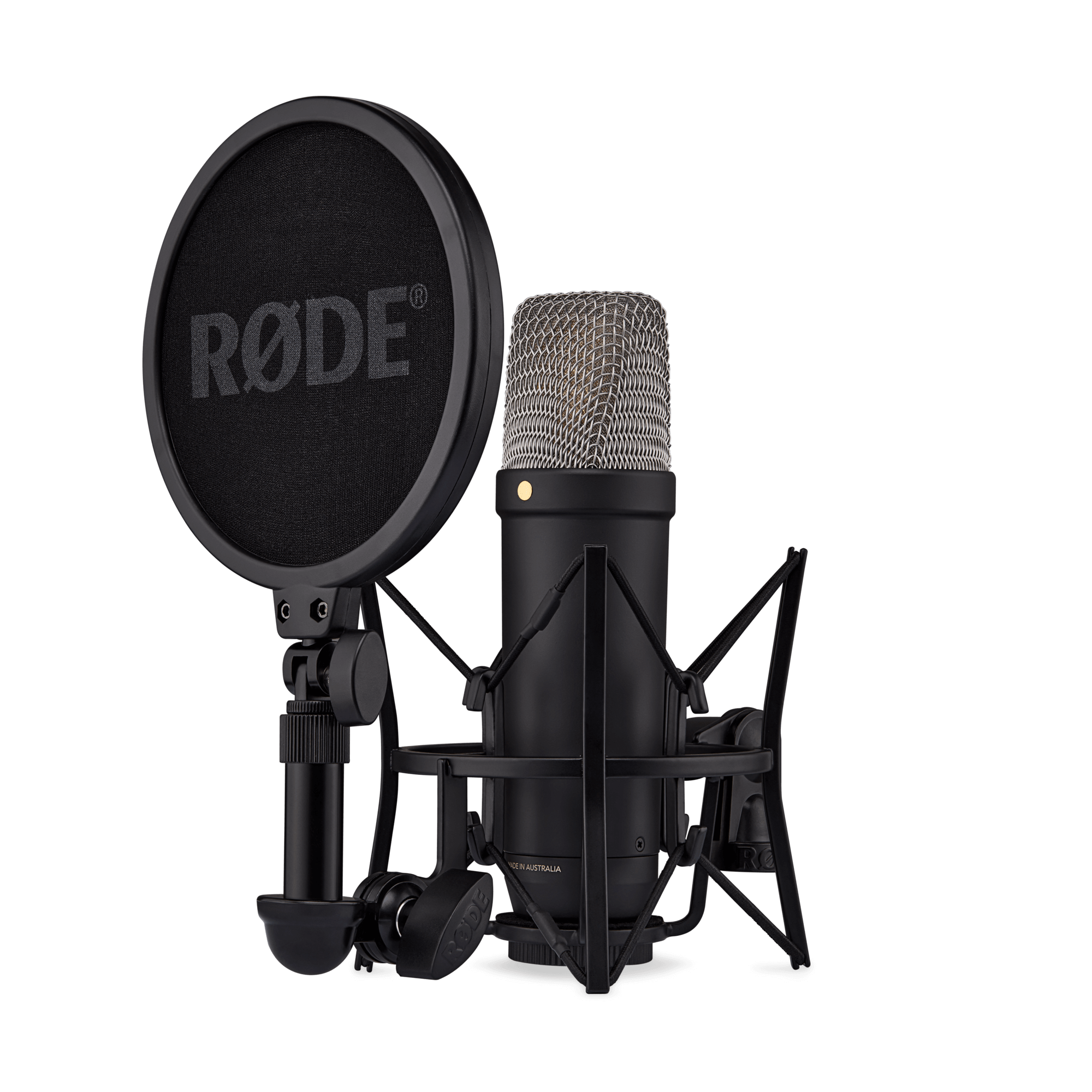
RØDE NT1 5th Generation black large-diaphragm studio condenser microphone with SM6 shock mount and pop filter
Best Studio Condenser
Studio Dual-Connect Condenser
8.6/10
Strongly Recommended
See RØDE US Store
Complete Studio Box (USB-C or XLR)
1-in HF6 Large-Diaphragm True Condenser
Cardioid (side-address, gold dot front)
Dual Connect XLR (+48V) & USB-C4 dBA self-noise (world's quietest studio condenser)
32-bit Float / 192 kHz A/D + Revolution Preamp + APHEX DSP
RØDE Central / RØDE Connect (VoxLab, HPF, Gate, Comp, Aural Exciter)
SM6 shock mount, pop filter, Neutrik/Canare XLR cable, USB-C cable, dust coverStudio singing, audiobooks/voiceover, acoustic guitar & piano in quiet rooms
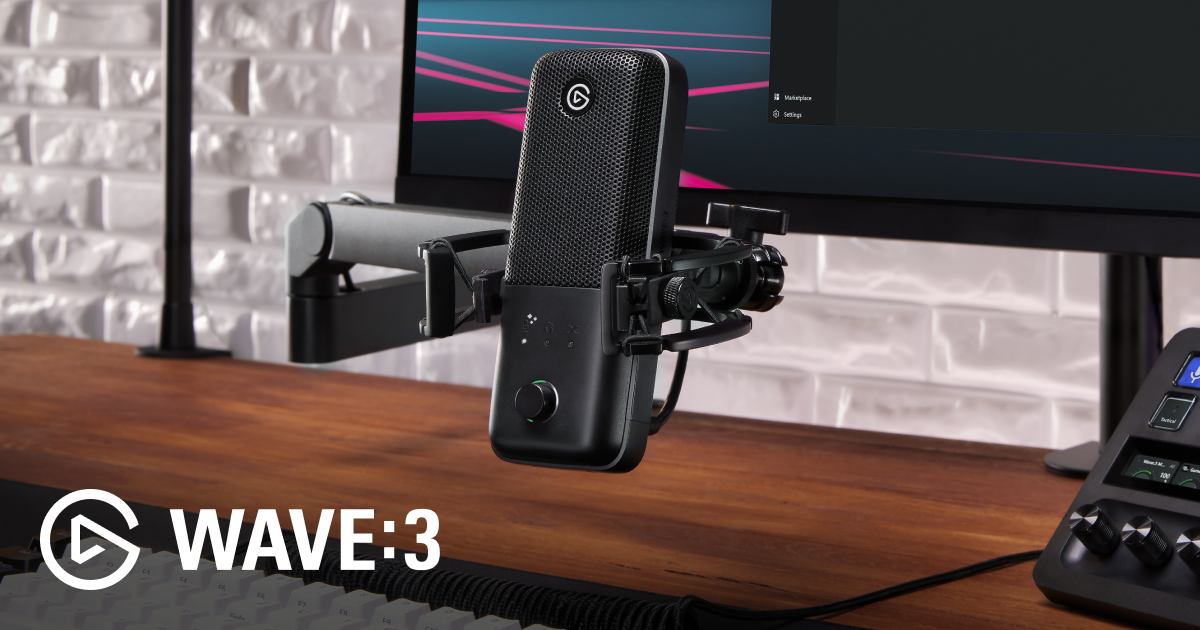
Elgato Wave:3 MK.2 USB-C streaming condenser microphone mounted on a desk boom arm with Stream Deck
Best for Streaming
Streaming USB-C Condenser
8.3/10
Specialist Pick
See Elgato US Store
Mic Only — Desk Stand Included
Side-Address Condenser Capsule
Cardioid (optimal 4–8 in / 10–20 cm)
USB-C (PC, Mac, tablet, mobile) + 3.5 mm headphone jackClipguard 2.0 hardware anti-clipping + Voice Focus
Onboard Wave FX Processor (DSP + universal VST Inserts)
Multifunction dial (Gain/Voice Tune/Vol/Mix), 5s Auto Gain, Tap-to-Mute, Wave Link 3.0
Built-in pop filter, desk stand, 1/4-in thread + 3/8 & 5/8-in adapters, USB-C cableTwitch/YouTube streamers, gamers, multi-source audio routing & Stream Deck rigs
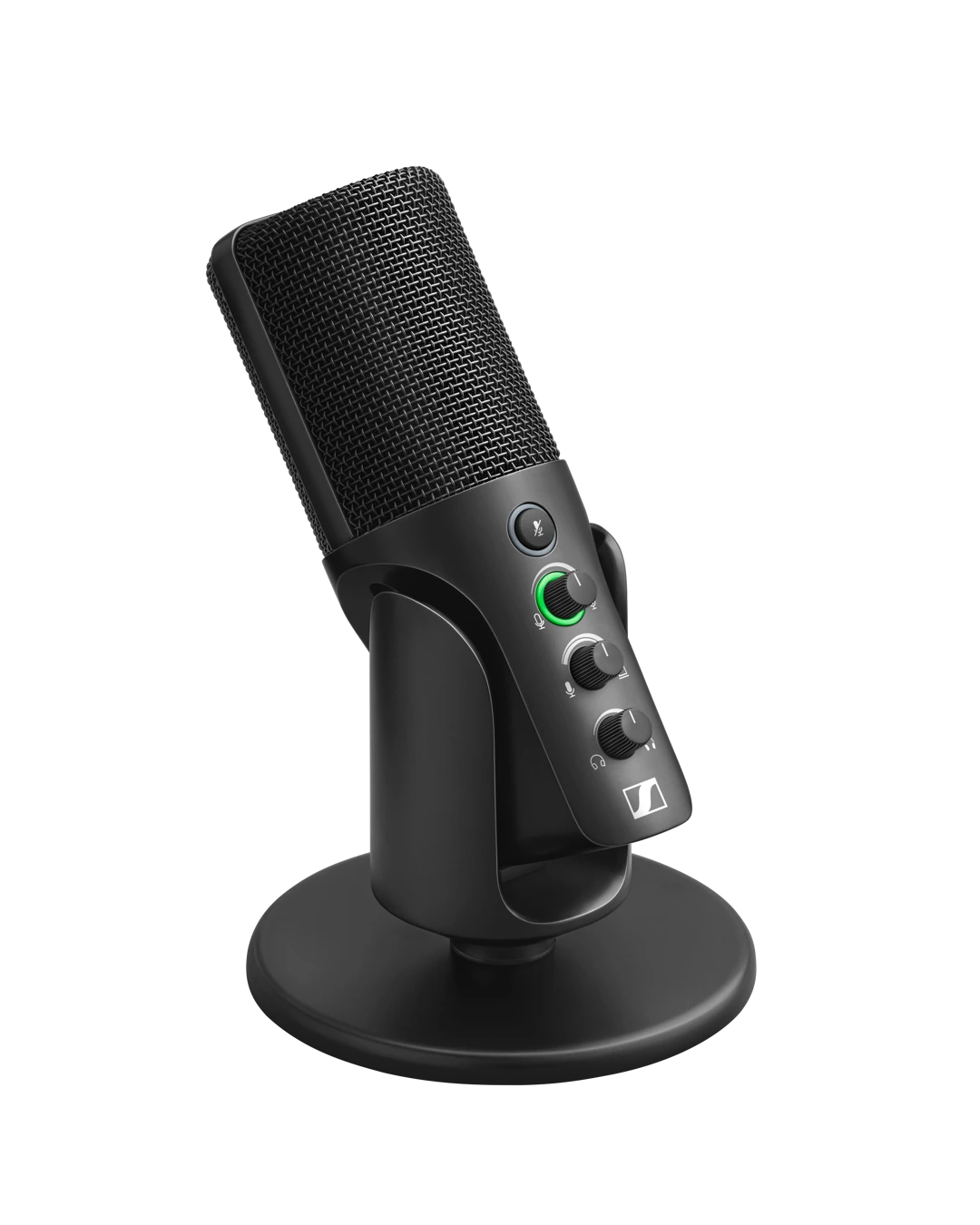
Sennheiser Profile USB cardioid condenser microphone on weighted desk base with tactile Gain, Mix, and Volume dials
Best Plug-and-Play
Plug-and-Play Desk Condenser
7.8/10
Practical Value
See Sennheiser US Store
Mic Only — Weighted Desk Stand Included
Pre-Polarized Condenser (German-engineered)
Cardioid
USB-C powered (macOS, iPadOS, Windows, Android) + 3.5 mm jack20–20,000 Hz · 125 dB Max SPL (min. gain)
Class-compliant USB-C hardware preamp (zero software needed)
Physical Gain (clip LED), Mix balance, Headphone Vol, soft-touch Mute LED
Self-locking tilt joint, weighted table stand, 1.2 m USB-C cableExecutive calls, fast desk podcasts, voiceovers & Mac/iPad creators avoiding apps

How MicBench Scores Microphones (Weighted 10-Point Lab Rubric)

Every microphone—whether $129 USB or $549 XLR—is graded on the exact same five weighted criteria so weaknesses actually show up in the final score.

Read Full Lab Methodology →
Vocal Quality & Acoustics30%
Room & Noise Handling25%
Workflow, DSP & Kit20%
I/O & Upgrade Path15%
Total-Rig Value10%
9.0 – 10.0 Reference Tier8.5 – 8.9 Strongly Recommended8.0 – 8.4 Specialist Pick7.5 – 7.9 Practical Value
MSRP Note: Fixed USD prices reflect verified US brand publications; bundle models link directly to official US stores.

Head-to-Head Analysis

Three Decisive Matchups for North American Buyers

Still torn between two top contenders? Here is how our lab breaks the tie based on room acoustics, upgrade paths, and real-world workflows.

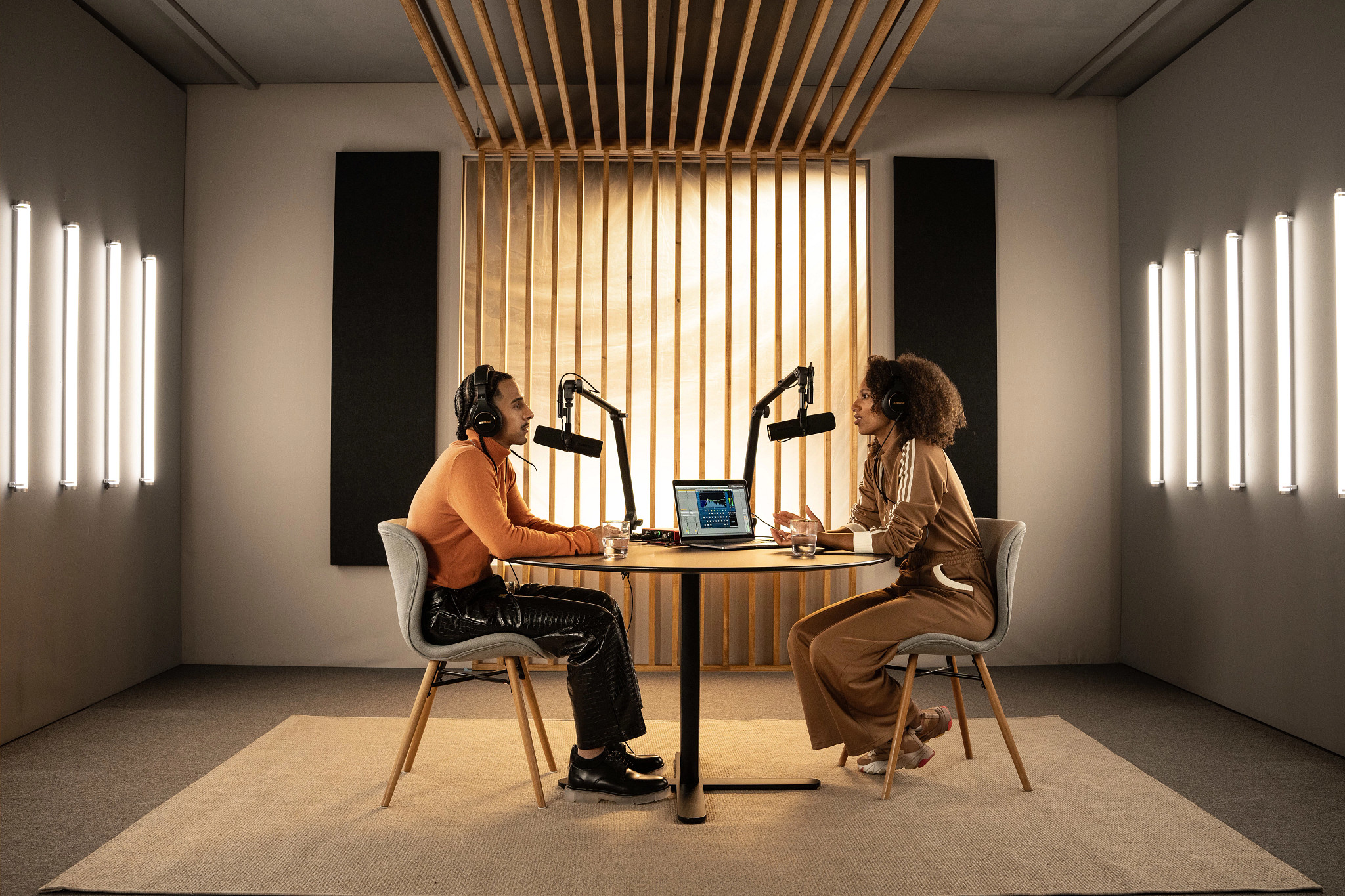
Two podcast hosts recording in a warm wood-slat acoustic studio with Shure SM7dB broadcast microphones
Matchup 01

Shure SM7dB ($549) vs. Shure MV7+ ($279)

Verdict: Choose SM7dB for studio-grade XLR warmth; choose MV7+ for half the cost and USB-C convenience.

Both share Shure's broadcast dynamic DNA and tight cardioid room rejection. The SM7dB delivers the deeper, smoother SM7B capsule with hardware bass roll-off, presence boost, and a +28 dB active preamp—but requires an XLR interface. The MV7+ plugs directly into any computer via USB-C with Real-time Denoiser, Digital Popper Stopper, and Auto Level Mode, while still giving you an XLR port for later.

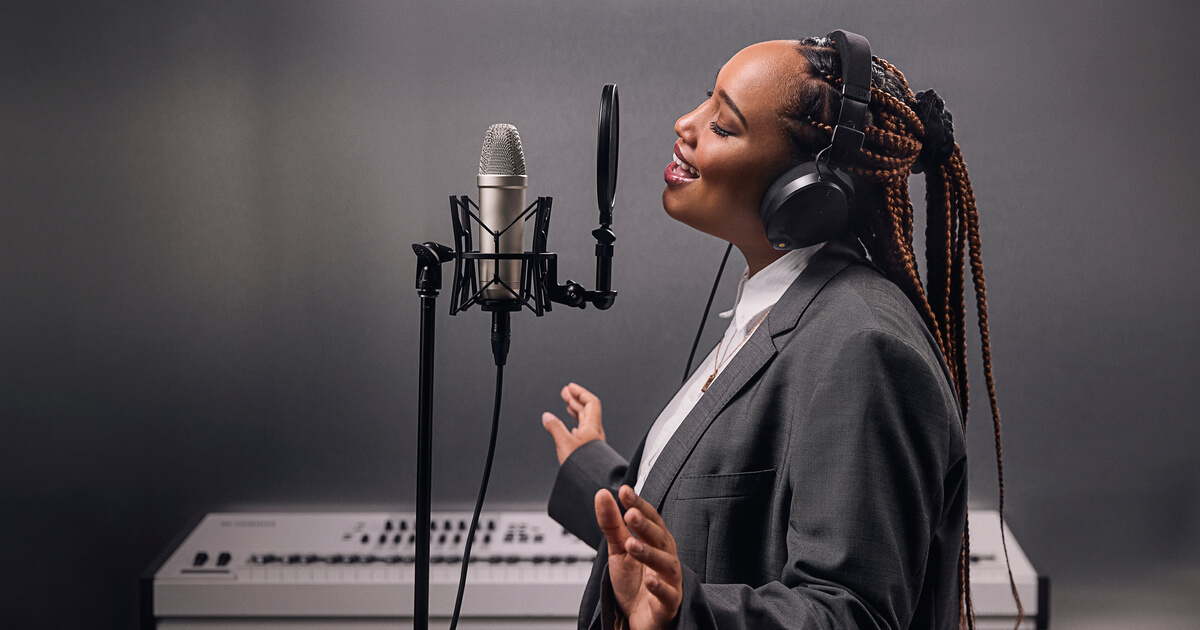
Vocalist recording with a RØDE NT1 5th Generation large-diaphragm studio condenser microphone and pop shield
Matchup 02

RØDE NT1 5th Gen vs. Elgato Wave:3 MK.2 vs. Sennheiser Profile USB

Verdict: NT1 5th Gen wins raw studio fidelity; Wave:3 MK.2 wins live streaming; Profile USB wins zero-software speed.

All three are cardioid condensers, but they serve completely different desks. The RØDE NT1 5th Gen brings a 1-inch studio capsule, 4 dBA self-noise, XLR+USB Dual Connect, and 32-bit float / 192 kHz—at the cost of needing a computer or interface for headphone monitoring. Elgato Wave:3 MK.2 dominates live streaming with Clipguard 2.0, onboard Wave FX VST Inserts, and Wave Link 3.0. Sennheiser Profile USB strips away all software dependencies in favor of tactile metal Gain, Mix, Volume, and Mute dials.

RØDE Wireless PRO dual-channel 2.4 GHz wireless microphone system for video production
Matchup 03

Desktop Broadcast Mic vs. RØDE Wireless PRO ($399)

Verdict: Never force a desk mic onto a video shoot—or a lavalier onto a static podcast desk.

Omnidirectional wireless transmitters like the RØDE Wireless PRO excel when talent moves, stands on set, or shoots outdoors—backed by 32-bit float internal backup, Timecode, and two locking Lavalier II mics. For seated desk podcasts and streams, a directional cardioid mic (SM7dB, MV7+, Wave:3 MK.2) rejects far more room echo and delivers richer broadcast low-end.

Not Sure Which Capsule Type Fits Your Room?

Read our Audio Engineer's Buying Guide for dynamic vs. condenser room rules, USB-C vs. XLR upgrade paths, and hidden mount/interface costs.