MicBenchCompare All 6 Mics

Audio Engineer's Playbook

How to Buy the Right Microphone Without Wasting Money

Match capsule physics to your room acoustics, budget for total rig cost, and understand the specs that genuinely improve vocal clarity.

Audio Engineer's Buying Guide

How to Choose the Right Microphone for Your Room & Workflow

Most North American creators overspend on the wrong capsule type—buying a hypersensitive condenser for an echoey drywall bedroom, or an under-powered XLR dynamic without a clean preamp. Start with your environment below.

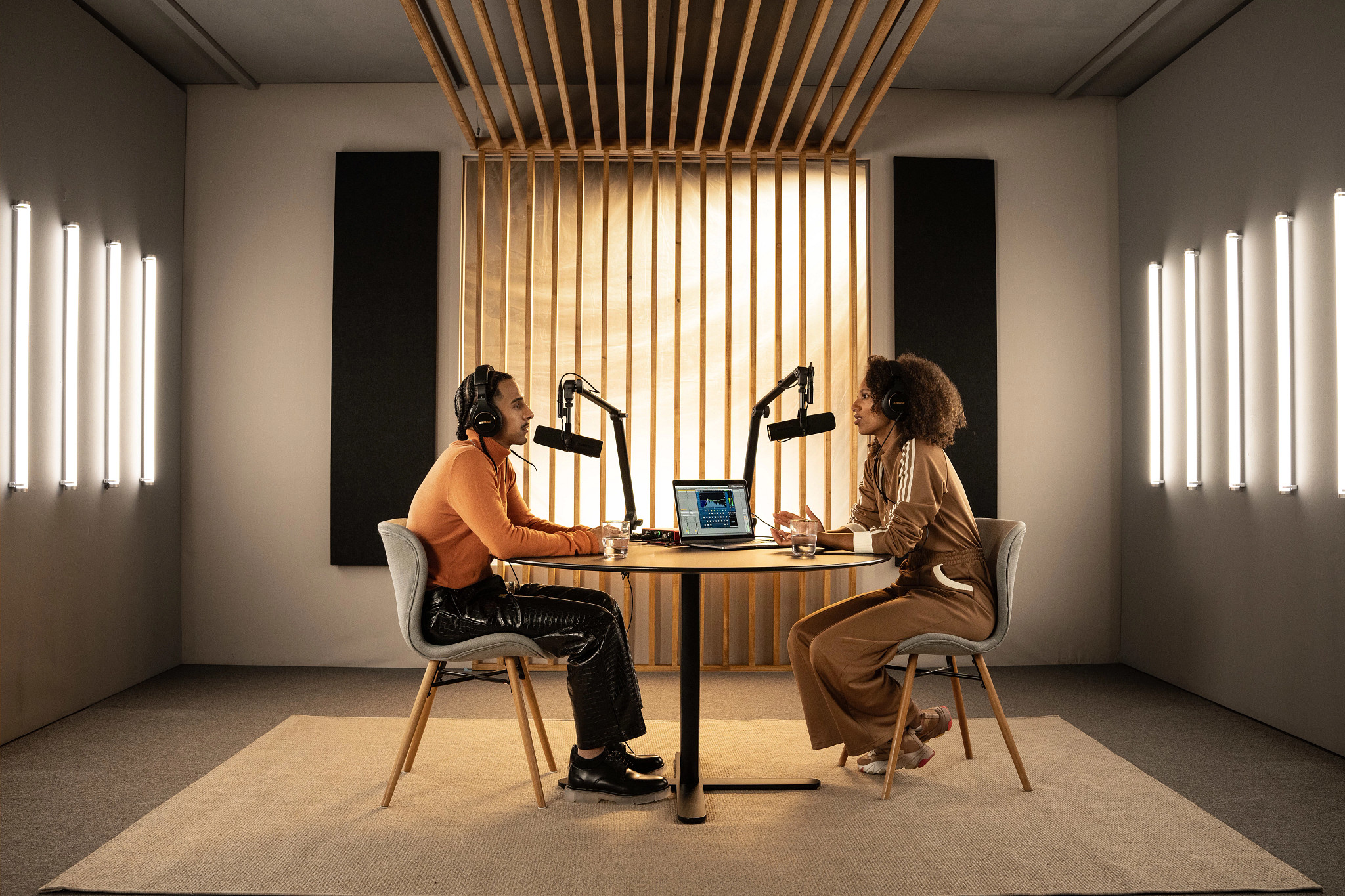
Two podcast hosts recording in a warm wood-slat acoustic studio with Shure SM7dB broadcast microphones
Room Type 01 · Untreated / Broadcast Desk

Choose a Cardioid Dynamic (2–3 in)

Hard drywall, air conditioning, or a PC tower next to your desk? Dynamic mics like the Shure SM7dB and MV7+ reject ambient room echo naturally.

Match: Shure SM7dB · Shure MV7+
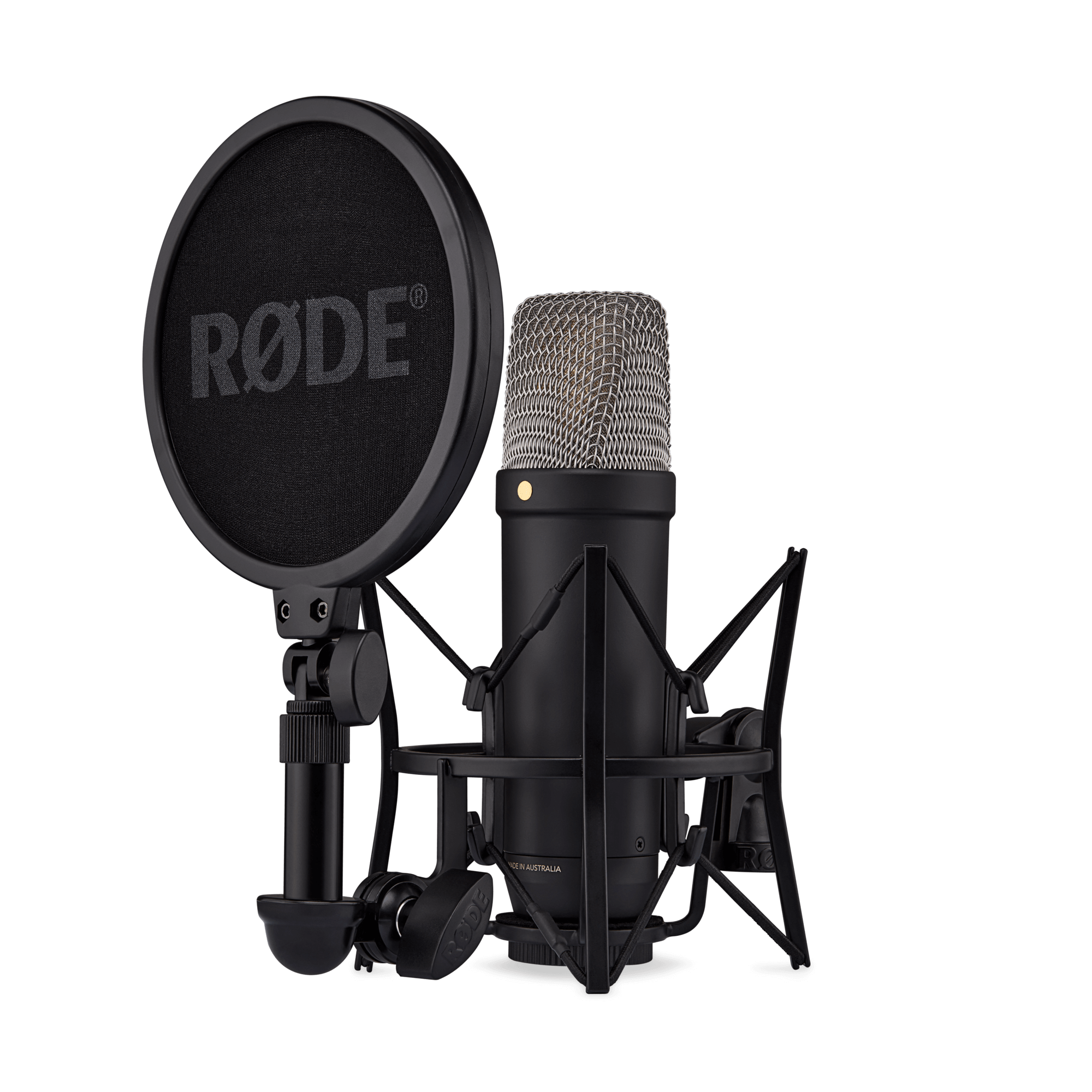
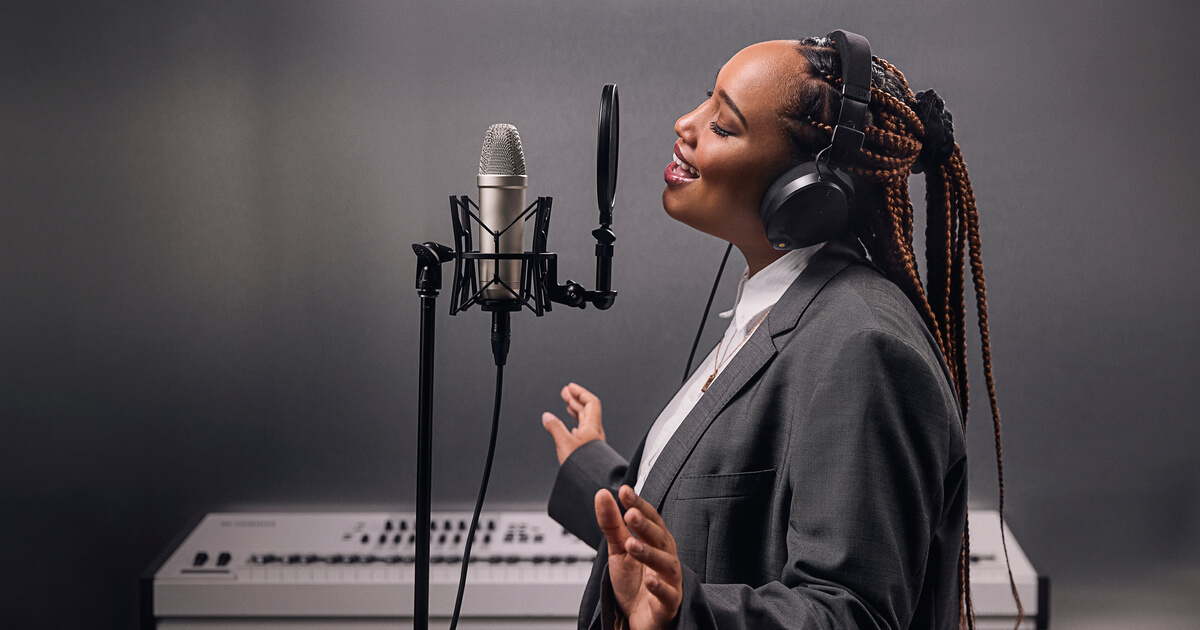
Vocalist recording with a RØDE NT1 5th Generation large-diaphragm studio condenser microphone and pop shield
Room Type 02 · Quiet / Treated Studio

Unlock Condenser Detail (4–8 in)

In a quiet or softly furnished room, a large-diaphragm condenser like the RØDE NT1 5th Gen (4 dBA self-noise) captures silky top-end clarity.

Match: RØDE NT1 5th Gen · Wave:3 MK.2 · Profile USB
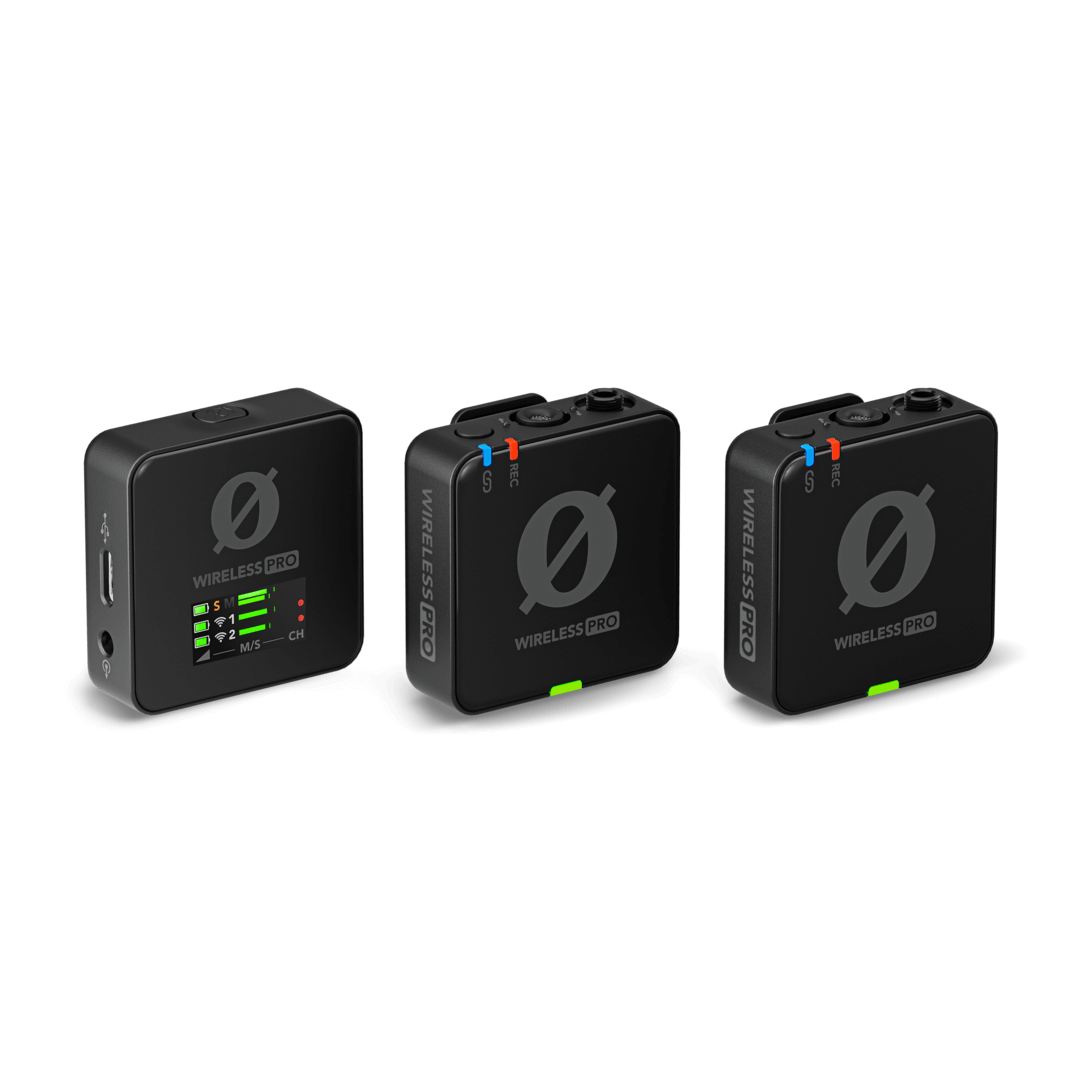
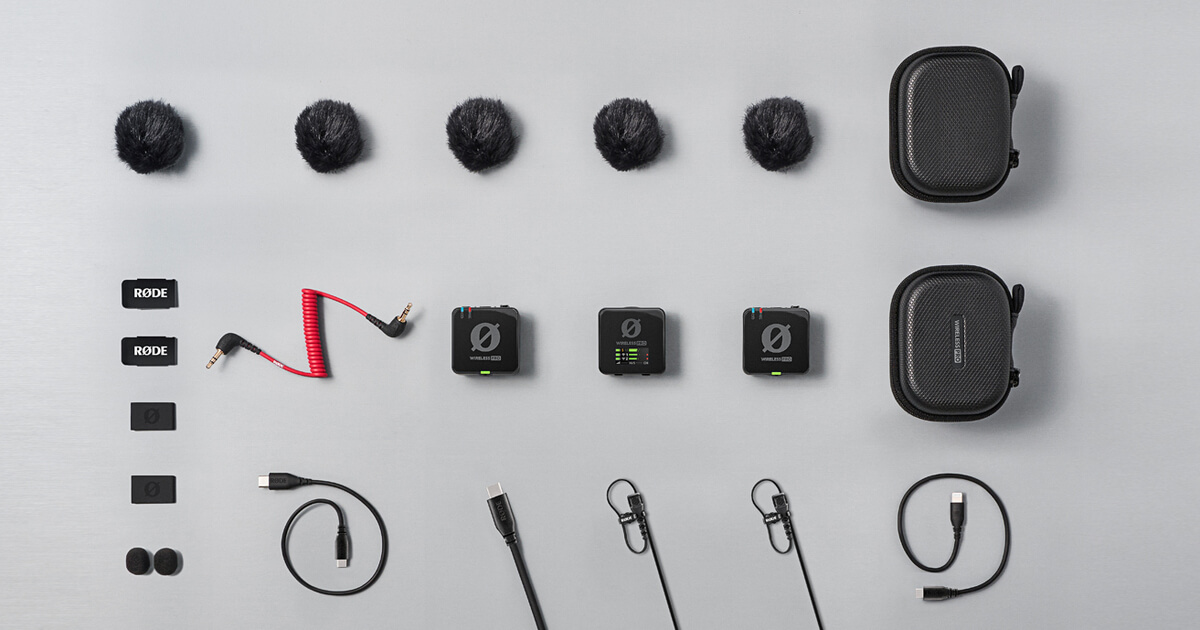
RØDE Wireless PRO dual-channel 2.4 GHz wireless microphone system for video production
Room Type 03 · Video & Multi-Cam Set

Run Dual-Channel Wireless + 32-Bit Backup

When presenters move on camera or shoot outdoors, clip-on transmitters with onboard 32-bit float storage and Timecode eliminate ruined takes.

Match: RØDE Wireless PRO ($399 Full Kit)

1. Instant Pick by Creator Workflow

Pro Podcasting & Broadcast Radio

Space: Home studio or dedicated booth with XLR interface
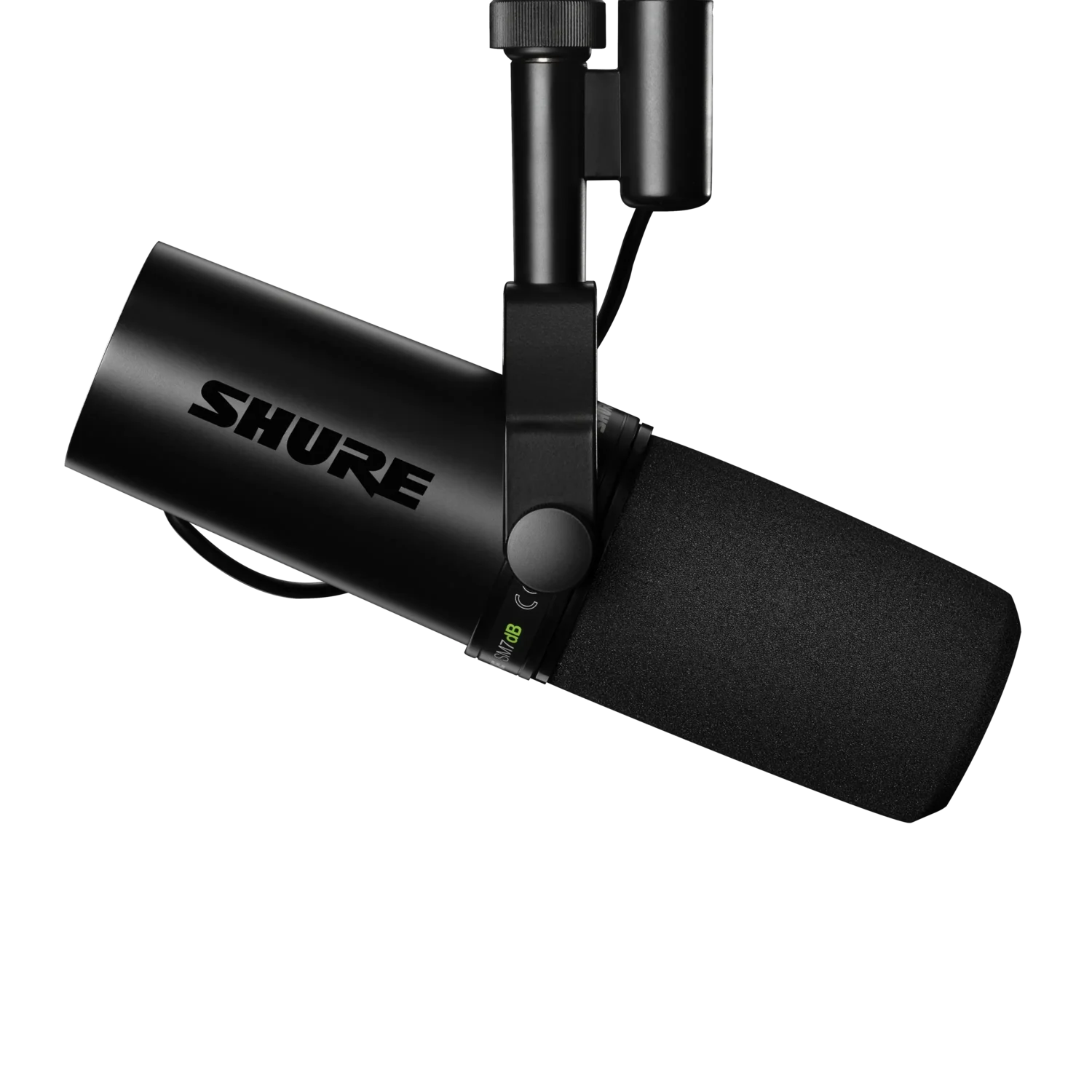
Shure SM7dB active broadcast XLR dynamic microphone with yoke mount and windscreen
Recommended PickShure SM7dB
Review

Classic 50–20,000 Hz broadcast warmth plus a built-in +18 / +28 dB preamp that drives cleanly into any +48V interface without an external Cloudlifter.

Alternative: Shure MV7+ ($279) if you want half the cost and USB-C flexibility
Solo Podcasting & Co-Host Growth Rig

Space: Untreated bedroom, living room, or apartment desk

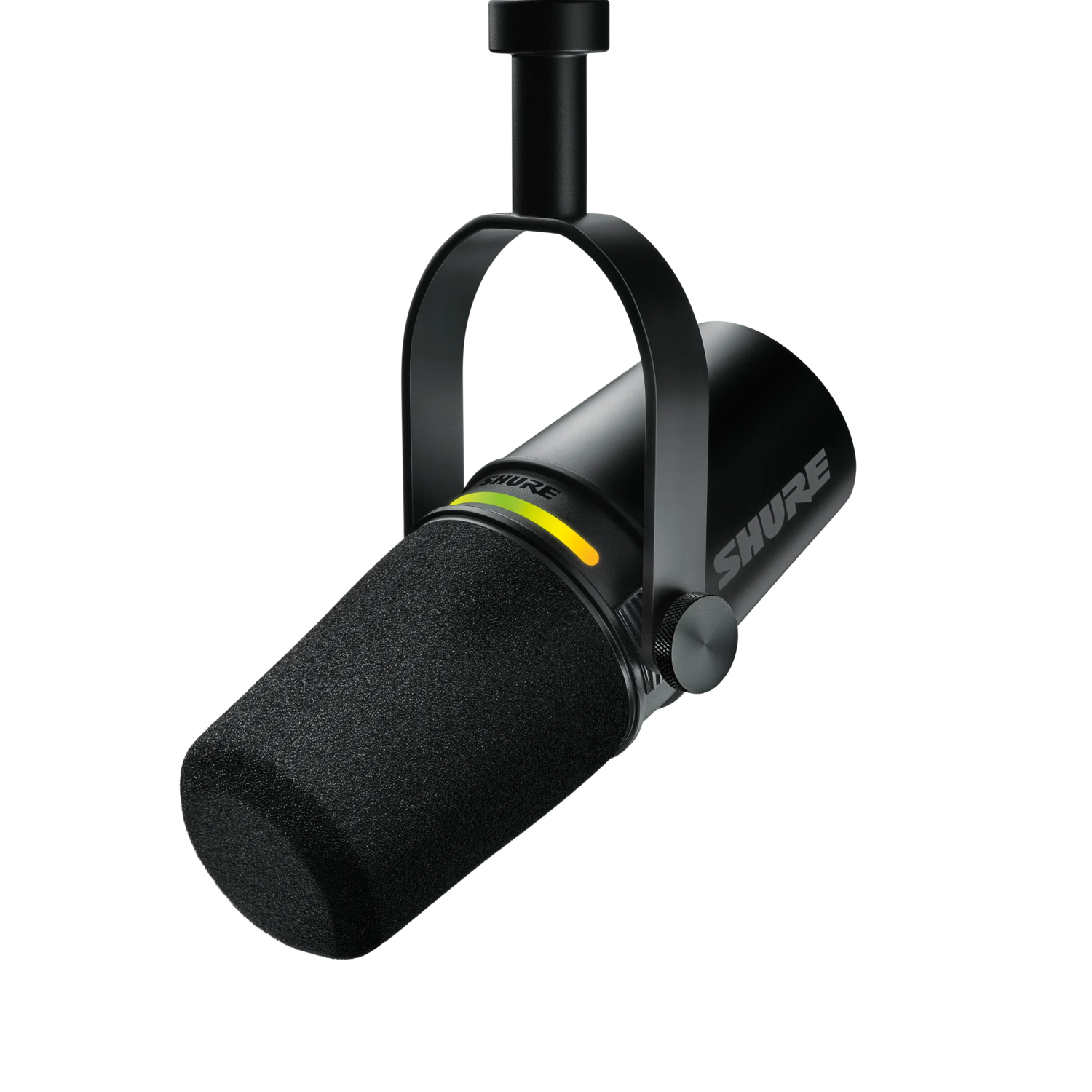
Shure MV7+ hybrid USB-C and XLR dynamic podcast microphone with multi-color LED touch strip
Recommended PickShure MV7+
Review

Voice Isolation dynamic capsule + Real-time Denoiser and Digital Popper Stopper tame echo and fans today over USB-C, with XLR ready when you add a multi-mic mixer.

Alternative: Shure SM7dB if you already own a +48V XLR interface

Studio Vocals, Audiobooks & Acoustic Music

Space: Quiet bedroom closet, treated room, or project studio

4 dBA self-noise passes strict audiobook noise-floor standards, 32-bit float / 192 kHz prevents clipped vocal takes, and the SM6 shock mount + pop filter come in the box.

Alternative: Shure SM7dB (Bypass mode) for loud rock vocals or untreated rooms

Twitch / YouTube Live Streaming & Gaming

Space: Dual-monitor PC desk with mechanical keyboard & chat audio

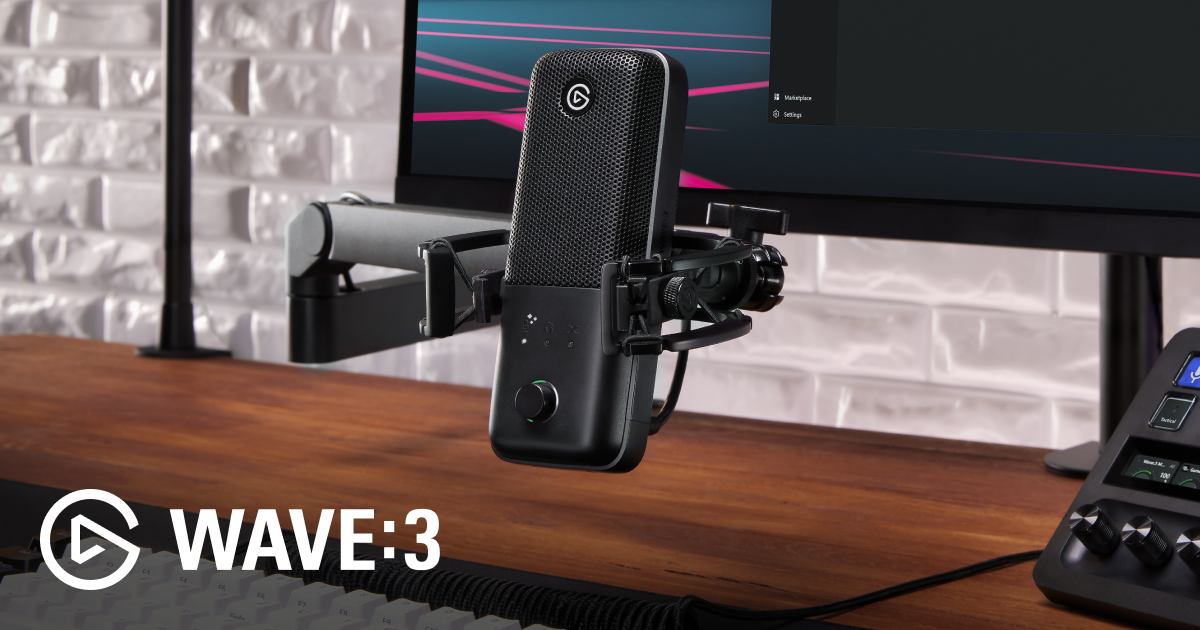
Elgato Wave:3 MK.2 USB-C streaming condenser microphone mounted on a desk boom arm with Stream Deck
Recommended PickElgato Wave:3 MK.2
Review

Clipguard 2.0 stops loud reactions from distorting, Wave FX runs universal VST Inserts across Discord and OBS, and Wave Link 3.0 handles multi-channel stream mixing.

Alternative: Shure MV7+ if your PC fans are loud and you prefer a dynamic capsule

Zero-Software Calls, Narration & Clean Desk

Space: MacBook / Windows / iPad workstation with zero bloatware policy

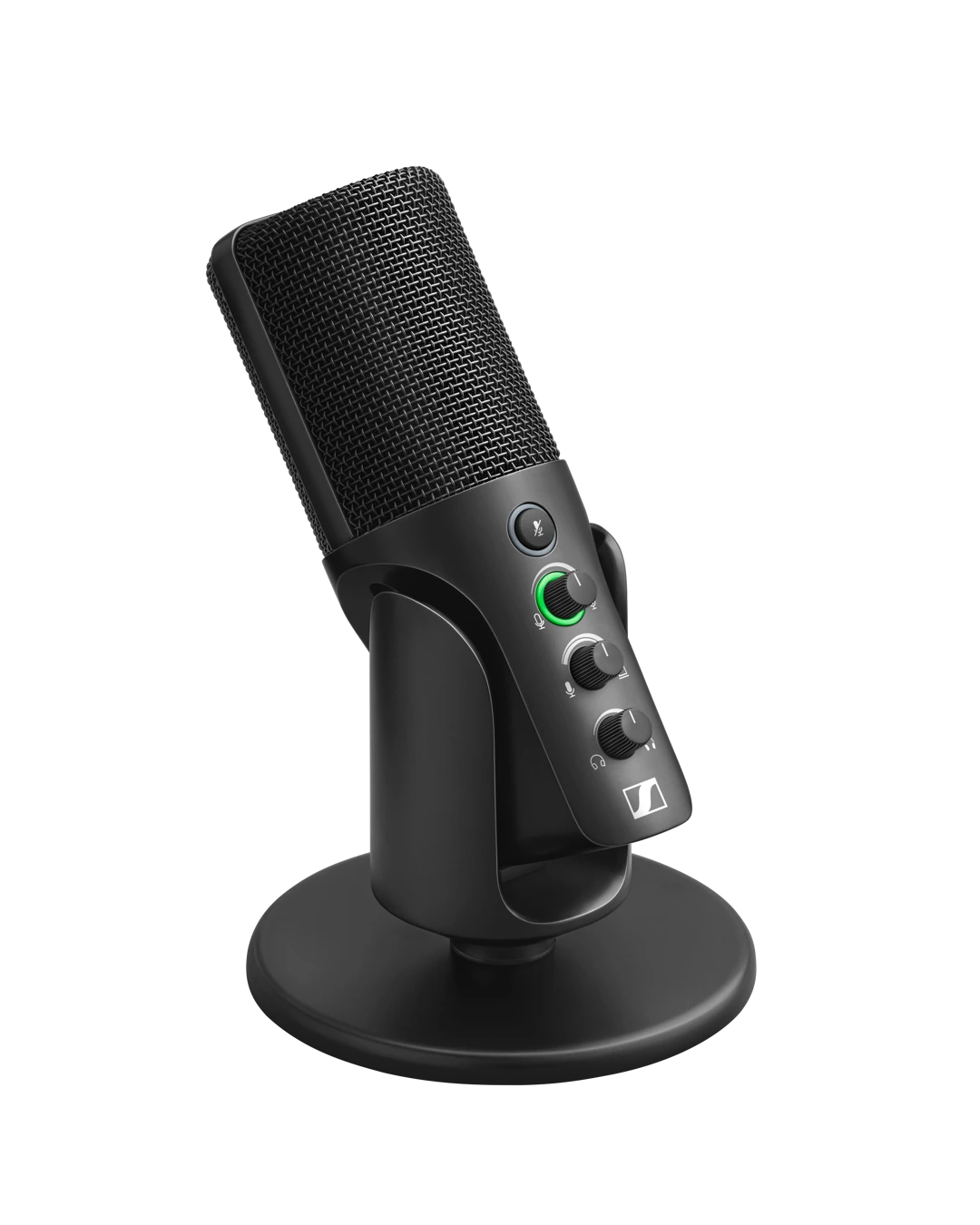
Class-compliant USB-C with physical Gain, Mix, Headphone Volume, and Mute LEDs right on the metal body—plus 20–20,000 Hz range and 125 dB max SPL.

Alternative: Elgato Wave:3 MK.2 if you later want virtual mixing & VST plugins

YouTube Filming, Street Interviews & Documentaries

Space: On-camera shoots, outdoor wind, two hosts, multi-cam edits

RØDE Wireless PRO dual-channel 2.4 GHz wireless receiver and two transmitters with LCD level display
Recommended PickRØDE Wireless PRO
Review

32-bit float onboard backup (32 GB / 40+ hr per TX), Timecode sync, intelligent GainAssist, and two locking Lavalier II mics make it a complete field audio kit.

Alternative: Shure MV7+ for seated desk commentary instead of run-and-gun filming

2. Four Technical Decisions That Actually Change Your Sound

01

Dynamic vs. Condenser: Match the Capsule to Your Room

Room acoustics—not microphone price—cause 80% of amateur audio complaints in North American apartments and home offices.

  • Choose a Cardioid Dynamic (Shure SM7dB, Shure MV7+) if you record near bare drywall, HVAC vents, street traffic, or a gaming PC. Dynamics work best 2–4 inches from your mouth and naturally roll off distant room reverb.
  • Choose a Cardioid Condenser (RØDE NT1 5th Gen, Elgato Wave:3 MK.2, Sennheiser Profile USB) if your room is quiet or softly furnished (rugs, curtains, bookshelves) and you want airy high-frequency vocal detail or 4–8 inch working distance.
  • Avoid omnidirectional desk mics for solo speech unless you are specifically using a clip-on wireless transmitter (like RØDE Wireless PRO) placed close to the chest.
02

USB-C vs. XLR vs. Dual-Connect Upgrade Paths

Pick your connector based on how many people speak in the same room and whether you already own an audio interface.

  • Pure USB-C (Elgato Wave:3 MK.2, Sennheiser Profile USB) gives the fastest single-cable desk setup and includes built-in headphone monitoring—ideal for solo streamers and remote pros.
  • Dual-Connect USB-C + XLR (Shure MV7+, RØDE NT1 5th Gen) is the smartest hedge for growing creators: start on USB-C immediately, then plug into a multi-mic XLR interface or mixer later without replacing your mic.
  • Pure XLR (Shure SM7dB) delivers maximum durability, zero driver headaches, and multi-host scaling, provided you pair it with an XLR interface supplying +48V phantom power.
03

Preamp Gain, 32-Bit Float & Clipguard 2.0 Explained

Two engineering breakthroughs in 2024–2026 solved the oldest beginner audio disasters: weak gain hiss and ruined clipped peaks.

  • Low-output broadcast dynamics traditionally needed ~60 dB of clean preamp gain. The Shure SM7dB solves this internally with +18 dB or +28 dB of clean phantom-powered gain—saving $100+ over buying an SM7B plus a separate inline booster.
  • 32-bit float recording (RØDE NT1 5th Gen via USB-C and RØDE Wireless PRO onboard) captures such massive dynamic headroom that shouted peaks and whispered lines can be restored cleanly in post without digital clipping.
  • Hardware anti-clipping (Elgato Clipguard 2.0) and Auto Level Mode (Shure MV7+) protect live Twitch/Zoom broadcasts in real time where you do not have a post-production second chance.
04

Hidden Setup Costs, Mounting & Positioning Checklist

Factor in mounts, cables, and distance before comparing sticker prices.

  • Boom Arm Load & Threading: Broadcast dynamics like the SM7dB need a rigid broadcast boom arm; lightweight desk springs sag over time. Check for 5/8-inch and 3/8-inch adapters (included on Wave:3 MK.2 and NT1 SM6).
  • Watch What's in the Box: RØDE NT1 5th Gen includes the SM6 shock mount, pop filter, XLR cable, and USB-C cable; Shure MV7+ ($279 base) does NOT include a stand or boom arm.
  • Distance Rule: Speak 2–3 inches off-axis into end-address dynamics (SM7dB, MV7+) and 4–8 inches into the front side of side-address condensers (NT1 5th Gen gold dot, Wave:3 MK.2 front grille).
  • Windows 32-Bit Float Note: On Windows PCs, install RØDE's free custom ASIO driver to unlock 32-bit float recording in your DAW with the NT1 5th Gen.
Creator desk audio recording setup showing microphone placement and acoustic environment

Lab Field Notes

4 Expensive Buying Traps to Avoid

✕ Buying an SM7B + External Booster Instead of Pricing Out the SM7dB

Do this instead: An SM7B ($399) plus a quality inline preamp and extra XLR jumper cable often matches or exceeds the Shure SM7dB ($549)—while adding extra connectors and cable clutter. Go straight to the SM7dB unless you already own a high-gain console.

✕ Placing a Sensitive Condenser 18 Inches Away in a Bare Room

Do this instead: Even the 4 dBA RØDE NT1 5th Gen will sound hollow if placed across your desk in an echoey room. Keep condensers 4–8 inches from your mouth on a boom arm, or switch to a dynamic mic like the Shure MV7+.

✕ Relying Only on 2.4 GHz Wireless Without Onboard 32-Bit Float Backup

Do this instead: 2.4 GHz signals attenuate sharply when talent turns their back to the camera. Always trigger internal 32-bit float recording on the RØDE Wireless PRO transmitters for paid shoots and irreplaceable interviews.

✕ Forgetting XLR Accessories When Comparing Sticker Prices

Do this instead: An XLR mic requires an audio interface (+48V phantom power for condensers and SM7dB), an XLR cable, and a stand or boom arm. Compare total rig cost—not just the bare microphone MSRP.

Decoded Spec Sheet

6 Microphone Specifications Explained in Plain English

Skip the marketing fluff—these six real specs determine how a microphone behaves in your studio or home office.

Cardioid Polar Pattern
A heart-shaped sensitivity field that captures sound primarily from the front while rejecting ambient noise from the rear—essential for solo desk podcasting and streaming.
Self-Noise (dBA)
The baseline electronic hiss generated by a condenser microphone's internal circuitry. Lower is quieter: the RØDE NT1 5th Gen's 4 dBA rating is effectively silent even on whispered voiceovers.
Max SPL (Sound Pressure Level)
The loudest volume a capsule can handle before distorting. For example, Sennheiser's Profile USB handles up to 125 dB SPL at minimum gain—well above energetic shouted speech.
32-Bit Float Recording
A digital audio format with enormous dynamic headroom (featured on RØDE NT1 5th Gen USB-C and RØDE Wireless PRO onboard storage) that lets you pull down clipped peaks cleanly in post-production.
+48V Phantom Power
DC voltage delivered over an XLR cable by an audio interface or mixer to power true condenser capsules (like RØDE NT1 5th Gen over XLR) and active preamps (like Shure SM7dB).
End-Address vs. Side-Address
End-address mics (Shure SM7dB, MV7+) pick up from the top grille and work best 2–3 inches from your mouth; side-address condensers (RØDE NT1 5th Gen, Elgato Wave:3 MK.2) pick up from the front face at 4–8 inches.

Ready to Compare All 6 Verified Microphones Side-by-Side?

Jump into our complete specification matrix to line up frequency response, self-noise, connectivity, included accessories, and US pricing.